Global Rundown
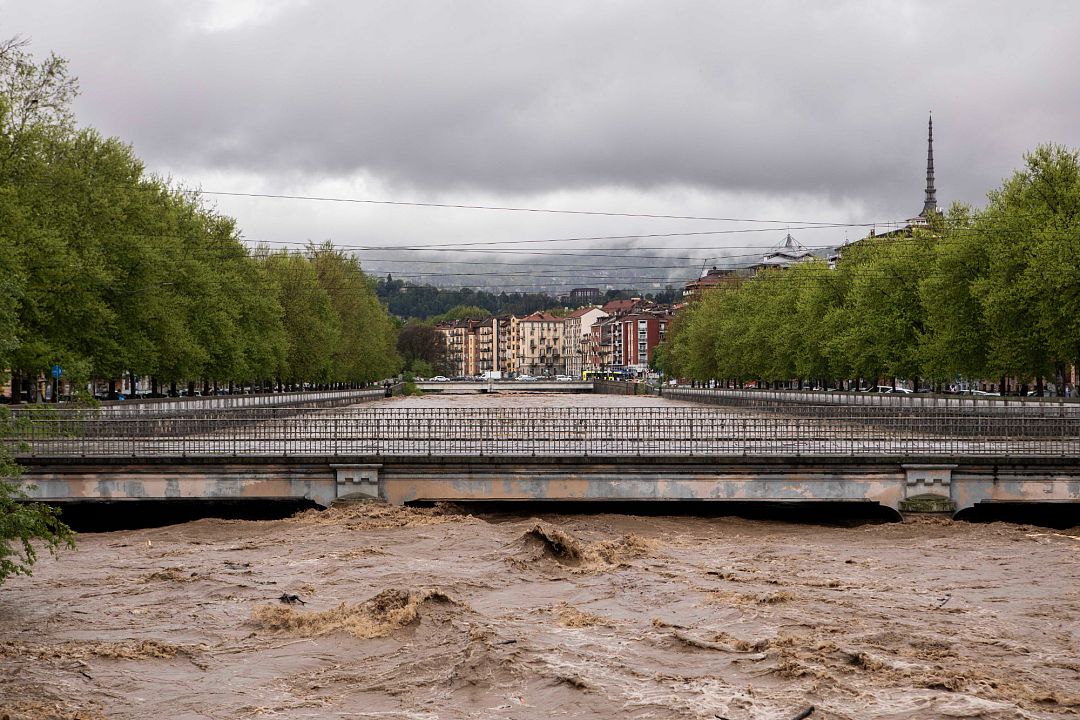
- Heavy, deadly rain and snow fell last week on Italy and Switzerland, swelling several rivers and disrupting travel through multiple regions.
- Villagers in northern Colombia’s wetlands have long endured salty rivers and fish die-offs as a result of development — now, they are advocating for change.
- New York winegrowers contending with climate change fear their efforts to operate more sustainably — to improve soil health and water quality — will soon lose funding.
- A new study suggests that the deadly flooding which inundated Kinshasa, Democratic Republic of Congo earlier this month is likely to occur every two years.
The Lead
Since 2000, Colombia’s Ciénaga Grande de Santa Marta wetlands, located on the country’s northern coast, have been a UNESCO-protected biosphere. For much longer than 25 years, the region has been the home of Nueva Venecia and Buenavista, two palafitte communities known for their stilt houses, which keep properties safe and dry above the fluctuating water line.
But for the 1,600 square-mile ecosystem — known for its diverse bird species, lagoons, mangrove forests, and marshes — this “natural abundance is little more than an illusion,” the Guardian reports. Highway construction in the mid-20th century changed the natural flow of water between the wetlands, sea, and Magdalena River. As a result, the mangrove forests — which are typically resilient to saline water, up to a point — were inundated with salty soils, sparking vast changes to the area’s hydrology.
For decades, Ciénaga’s residents have been forced to adapt to dwindling populations of freshwater fish, a plight which has decimated local economies and job opportunities. With little infrastructure to treat the salty river, many residents drink unhealthy water. Fish samples taken from the Magdalena contain high levels of toxic metals including mercury, and stomach illnesses have been reported in village children.
Local and federal governments have been accused of long-term indifference to these issues. Residents are campaigning for change, and despite the challenges are loyal to the lands and waters that have sustained them for generations. In a recent win for the villages, a court ordered a local environmental body to unblock the nearby Aracataca River. The river had previously been illegally diverted to serve as an irrigation source for farmers, and will soon become available for residents to collect drinking water, a purpose it had historically served.
Recent WaterNews from Circle of Blue
- Trump’s Earth Day Purge — Two generations of public interest safeguards confront reckless policy and political test.
- Kansas Farmers Dramatically and Profitably Pare Water for Irrigation — Much lower draw on Ogallala Aquifer has not hindered region’s giant farm economy.
This Week’s Top Water Stories, Told In Numbers
3
Number of people who died last week in Italy, where heavy rains and strong winds spurred flooding in the country’s northwest, northeast, and central regions, EuroNews reports. In the Trissino flood plain, the deluge opened up a sinkhole and swallowed a car with two volunteers on their way to help those whose homes had been affected by the storm. Nearer Turin, the Dora River rose to dangerous heights, coming within several inches of overtopping, photographs show. The Po River itself rose five meters (more than 16 feet) in just 24 hours, prompting officials to issue “maximum” alerts for its stretch between Emilia-Romagna and Lombardy, a region near the Swiss border. Heavy snows fell on the southern Swiss Alps, delaying travel by road and rail and leading to several power outages.
130
Number of wineries currently operating along the shores of the Finger Lakes in western New York state, where a changing climate — including variable, year-round rainfall and unpredictable temperatures — is making the business increasingly difficult. The region’s winegrowers are also hoping to do their part to curb the crisis, the Associated Press reports. Many have installed solar panels to power their farms and are incorporating fields of fungi to protect their crops from disease. More than 50 wineries are certified “sustainable” by the state, a delineation given to those who maintain a high level of soil health and take action to protect water quality. But many of these initiatives are supported by federal grants, and are likely to see a drop — if not a total cut — in funding.
On the Radar
Several weeks ago, at least 33 people were killed in Kinshasa, Democratic Republic of Congo, amidst heavy rains that overtopped the Ndjili River and surged destructive flood waters through the capital. At least 16 communities lost access to drinking water when facilities were submerged.
This week, a new report from World Weather Attribution, a group of scientists who look for climate change fingerprints in extreme weather, suggests that such an event is likely to recur in the city every two years during the rainy season, which runs from October to May, Mongabay reports. Climate models indicate that “a future increase in heavy rainfall due to climate change is a strong possibility.” Political instability, informal housing, and a lack of strong infrastructure are also likely to worsen the impacts of these floods.
Fresh: From the Great Lakes Region

Cuts to H2Ohio: Ohio’s H2Ohio initiative, which since 2019 has supported “programs to prevent farm runoff, protect water supplies, and other water quality solutions,” could see its funding cut by 45 percent for 2026 and 2027 after a House vote earlier this month, WYSO 91.3 reports. Governor Mike DeWine proposed $270 million for the program, but only $150 million was approved. Environmental advocates and lawmakers opposed to the decision are calling on state lawmakers to reconsider before the budget is finalized.
The Endangered Mississippi: In its annual “Most Endangered Rivers” report, the environmental nonprofit American Rivers has listed the Mississippi as the country’s most vulnerable waterway. The river, which provides drinking water for 20 million people and generates $25 billion of business annually, is vulnerable to “frequent and severe floods” that threaten both riparian communities and regional economies. Proposed federal cuts to flood response efforts and climate research, and the relaxing of environmental protection standards, further threaten its 2,350 miles.

Bridge Michigan, Circle of Blue, Great Lakes Now at Detroit Public Television, Michigan Public and The Narwhal work together to report on the most pressing threats to the Great Lakes region’s water. This independent journalism is supported by the Charles Stewart Mott Foundation. Find all the work here.
- Fish, mines and Indigenous Rights ensnared in court case in northern Ontario — The Narwhal
- How community gardens serve as ‘third places’ for Detroiters — Great Lakes Now
- Climate change making Great Lakes water birds sick — Bridge Michigan
- Dam failure risk prompts Trout Lake drawdown — Michigan Public