KEYPOINTS:
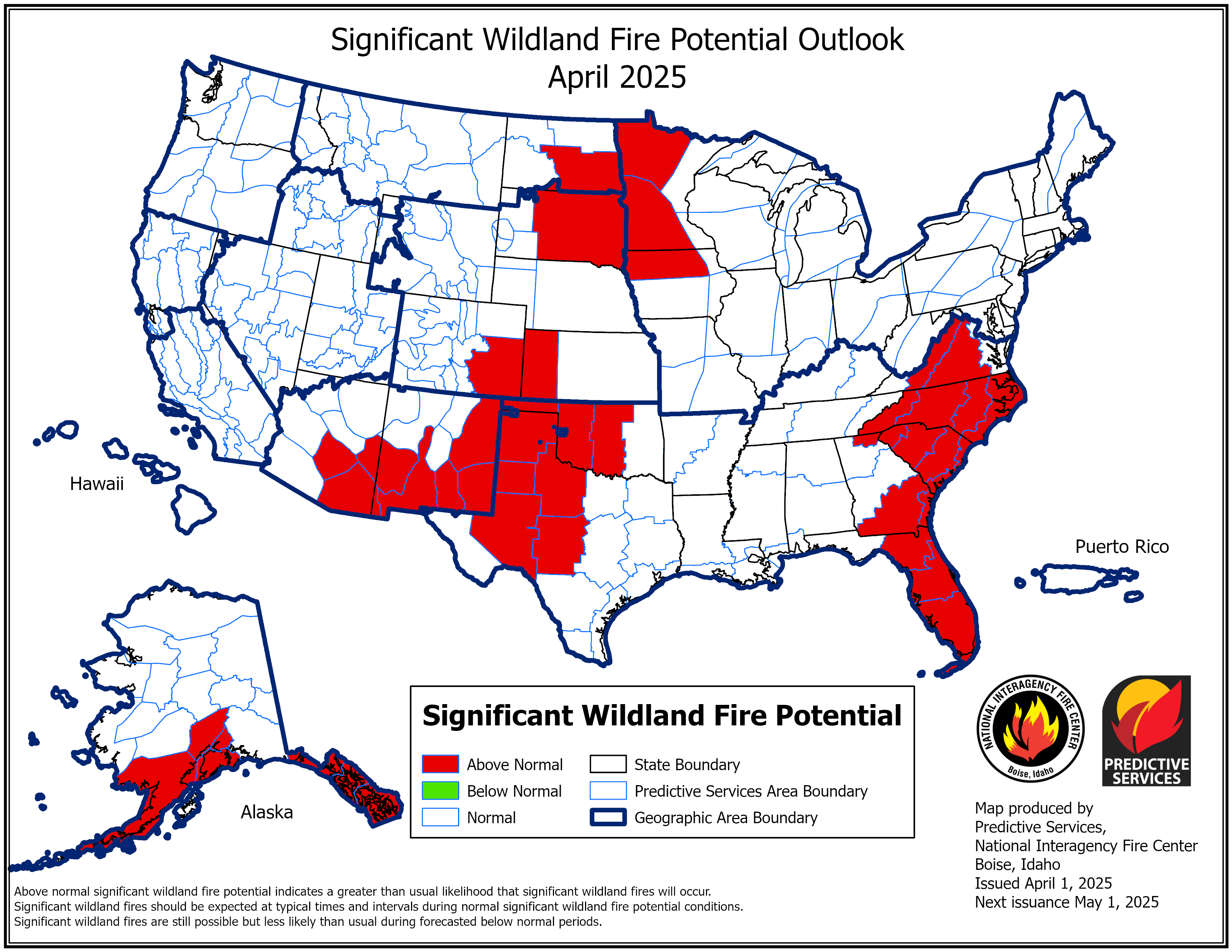
Wildfires are blazing across Minnesota because of dry conditions.
Elevated fire risk is becoming the new norm for the Upper Midwest.
Hot fires have dire consequences for the water quality of remote lakes.
Wildfire risk is high in the upper Great Lakes, and research shows that large, scorching wildfires spell trouble for lakes in the region’s remote watersheds.
The reason: Vegetation burns in the fire. Scorching, high temperatures make the soil hydrophobic, which causes erosion and more runoff into lakes. Plants are no longer there to filter the sediment seeping into waterways. One region of concern is northern Minnesota where fires are blazing in dry and windy conditions.
In early June, lightning caused three wildfires in the Boundary Waters Canoe Area Wilderness, prompting a campfire ban. Two more fires recently sparked in Ely, leading to emergency evacuations. In mid-May, the Flanders Fire east of Breezy Point charred more than 1,700 acres in about a week.
The multiple blazes are evidence that elevated fire risk is becoming the new norm for the region, according to Teresa Floberg. She’s the Ely Fireshed Coordinator for environmental think tank Dovetail Partners and works with Superior National Forest.
“When you look at wildfire risk maps for northern Minnesota, northern Wisconsin, northern Michigan, that wildfire risk resembles the West,” Floberg said. “Same level of risk factors, and potential for intensity.”
That risk, of course, isn’t unique to the North Woods. This year, wildfire experts predict a severe fire season nationwide as drought grips most of the country. As of mid-June, the National Interagency Coordination Center reported that more than 2.5 million acres have burned in wildfires across the U.S. – nearly double the 10-year average.
The causes have been gradually accumulating for more than a century. Climate change – balmier summers, shorter winters, unexpectedly dry and windy days – is largely to blame. That, and more than a century of federal fire suppression policies. Decades of fuel buildup in forests, like downed trees and dense undergrowth, feed the flames, growing wildfires to catastrophic dimensions.
Extinguishing wildfires comes with a hefty price tag. Northern Minnesota wildfires last year alone required an $8.7 million emergency response from the state’s National Guard and firefighting staff.
Chris Filstrup is an expert on how wildfires are affecting northern Minnesota’s remote lakes.
Five years ago, while the Greenwood Fire burned across more than 26,800 acres of northeast Minnesota, the lake scientist became enthralled with what that summer’s largest and most destructive wildfire was doing to the thousands of pristine lakes residing in its warpath across Superior National Forest.
Filstrup poured over previous research investigating how fire affects watersheds. There were few studies, and those he found overwhelmingly featured the Western half of the United States.
“We need to be studying this in the Midwest due to all the differences in vegetation, landscape, hydrology and weather patterns that likely affect how lakes respond to fires,” Filstrup said. “We have very different systems here.”
Sam Reed agrees. Reed is the climate conservation manager at advocacy organization Friends of the Boundary Waters, where he is reviewing all of the climate impact research in the greater Quetico-Superior Ecosystem. Fire has been largely excluded from that work.
“The relationship between fire and freshwater is something that needs way more attention, both from a research perspective and a policy perspective,” Reed said. “We need to be thinking about how it affects our amazing freshwater resources.”
Filstrup is one of the leaders closing that knowledge gap.
Along with a team of researchers, Filstrup received rapid funding from the National Science Foundation to find out the consequences of wildfires for the Upper Midwest’s inland lakes. When they began studying Superior National Forest watersheds the following May after the fire, much of the landscape was still charred. Filstrup said it was like stepping onto a different planet. The lakes within the burn scar were – and still are – the color of sweet tea with few plants along the shores. Pre-fire, they were clear, home to an assortment of flora and largely unaffected by contamination.
In the years since the Greenwood Fire, Filstrup and the lab he directs at the University of Minnesota continue to monitor the lakes every summer.
“You can see the landscape rejuvenating. You can start seeing those soils stabilize again. You can start seeing the regrowth of vegetation, which is really cool,” Filstrup said. “But lots of these lakes, when it comes to water quality, really haven’t recovered yet.”
During their initial study, Filstrup and the other scientists sampled lakes scorched by the fire and some outside of the burn scar. The researchers found that lakes in the burned stretches of the forest had higher levels of phosphorus, nitrogen and carbon than their untouched counterparts. The water was more murky and acidic. This all means degraded water quality.
Though researchers didn’t see an increase in algae growth in the studied lakes, increased nutrients can boost algae growth, which can trigger algae blooms – the rapid overgrowth of the organism seen in places like Green Bay or the western Lake Erie basin.
That green sludge can deplete loads of oxygen from the water when it dies and block sunlight to the plant communities at the bottom of the lake that would normally bind to nutrients. Without that vegetation, the nitrogen and phosphorus stay in the water and can fuel algae blooms, and Filstrup said they could see fish kills due to low oxygen levels.
Plus, extinguishing wildfires can come at a risk to water quality. Increasing fire intensity and frequency means firefighting agencies are using more retardants to put flames out. Those red plumes dumped from planes can contaminate waterways with chemicals like heavy metals, fertilizers and phosphorus.
“My concern was that all these really prized, cherished ecosystems like the Boundary Waters Canoe Area Wilderness and Superior National Forest are going to start changing towards lakes that you tend to see in highly urbanized or highly agricultural areas, or areas where you just have a lot of human pressures within that watershed,” Filstrup said.
When Filstrup first began analyzing these lakes, he said there were arguments over how much fire actually affects water quality. Some said it was a minor disturbance, that the lakes would recover by the next year on their own.
“Five years after the fire, these lakes are still showing those similar characteristics of having more nutrients, being browner, having water that’s turbid and you can’t see through as clearly,” Filstrup said. “These are sustained impacts, and this is the result that’s shocking a lot of people because they thought this wasn’t something that we necessarily had to manage for.”
It’s not just the lakes that are affected.
Degraded ecosystems could have drastic consequences for the Minnesotan economy. Outdoor recreation in the northeast region alone generated more than $1.3 billion in economic output in 2024.
“If you start changing the quality of water in these ecosystems, people aren’t going to travel as far to visit them,” Filstrup said. “If people aren’t traveling to get there, they’re not spending along the way.”
Part two reports on how Minnesotans look to controlled fires to protect watersheds.