
Drought Aggravates Extreme Poverty in Syria
Ongoing drought in Syria is causing acute water shortages, food insecurity and economic uncertainty.
Drought in Syria is affecting food security, leaving between two and three million people to live into extreme poverty, the AFP reports. From 2003 to 2004, before the onslaught of continual drought, an average two million people lived in extreme poverty.
During a recent trip to Syria, Oliver De Schutter, the United Nations special rapporteur on the right to food, stated that the four-year drought had affected 1.3 million people, according to IRIN News, a humanitarian news and analysis project of the UN Office for the Coordination of Humanitarian Affairs.
“The losses from these repeated droughts have been significant for the population in the northeastern part of the country, particularly in Al-Hasakeh, Deir Ezzor and Al-Raqqa,” De Schutter said.
In June, the World Food Program began delivering food aid to about 200,000 people in these provinces. However, De Schutter scolded the international community on its response to the drought in Syria, calling it “unacceptably poor.”
Small farmers and herders have been hit the hardest as they are dependent on crop production and herding for subsistence. After oil, agriculture is the second largest contributor to GDP, employing nearly 31 percent of the workforce.
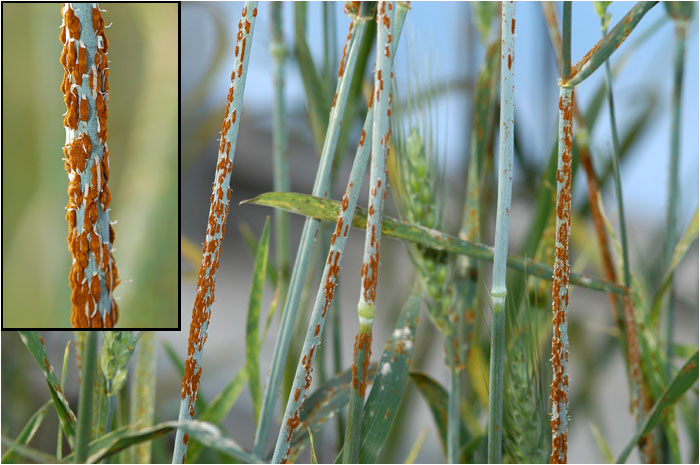
The Syrian government prides itself on being self-sufficient in wheat, the main crop of Syria. This year’s yield was only 3.3 million tons compared to a demand of 3.8 million tons, IRIN reports. While the government has enough stock to cover the shortage, the continual drought along with the resurgence of yellow wheat rust has elevated crop losses and increased food insecurity, IRIN News reports.
Herders have also been affected by the drought, losing 80 to 85 percent of their livestock since 2005, AFP reports.
Such economic uncertainty has forced thousands to move from their rural residences to urban ones. Fifty thousand families are predicted to migrate to urban areas in 2010, compared to nearly 30,000 in 2009, according to the AFP. The United Nations estimates that more than one million people have already left the northeast as their livelihoods have disappeared from the drought.
De Schutter praised Syria’s drought efforts, welcoming the adoption of a national plan and fund for an adaptive irrigation project.
Agriculture is the largest consumer of water, accounting for nearly 87 percent of the water use in Syria. According to the UN Food and Agriculture Organization (FAO), three-fourths of all cultivated land in Syria is dependent on rainfall. But altered weather patterns and inconsistent rainfall has increased farmer’s reliance on groundwater.
Much of Syria’s irrigation is still achieved using traditional methods, which are highly inefficient. The Syrian government, concerned by the decreasing water table levels, is working with the United Nations to implement more efficient agricultural policies and move towards modern irrigation practices, according to IRIN.
Sources: Sana News, AFP, IRIN News, Zawya, International Development Research Centre, IRIN News, UN OCHR- Remarks on De Schutter visit to Syria, UN Food and Agriculture Organization (FAO)



Leave a Reply
Want to join the discussion?Feel free to contribute!